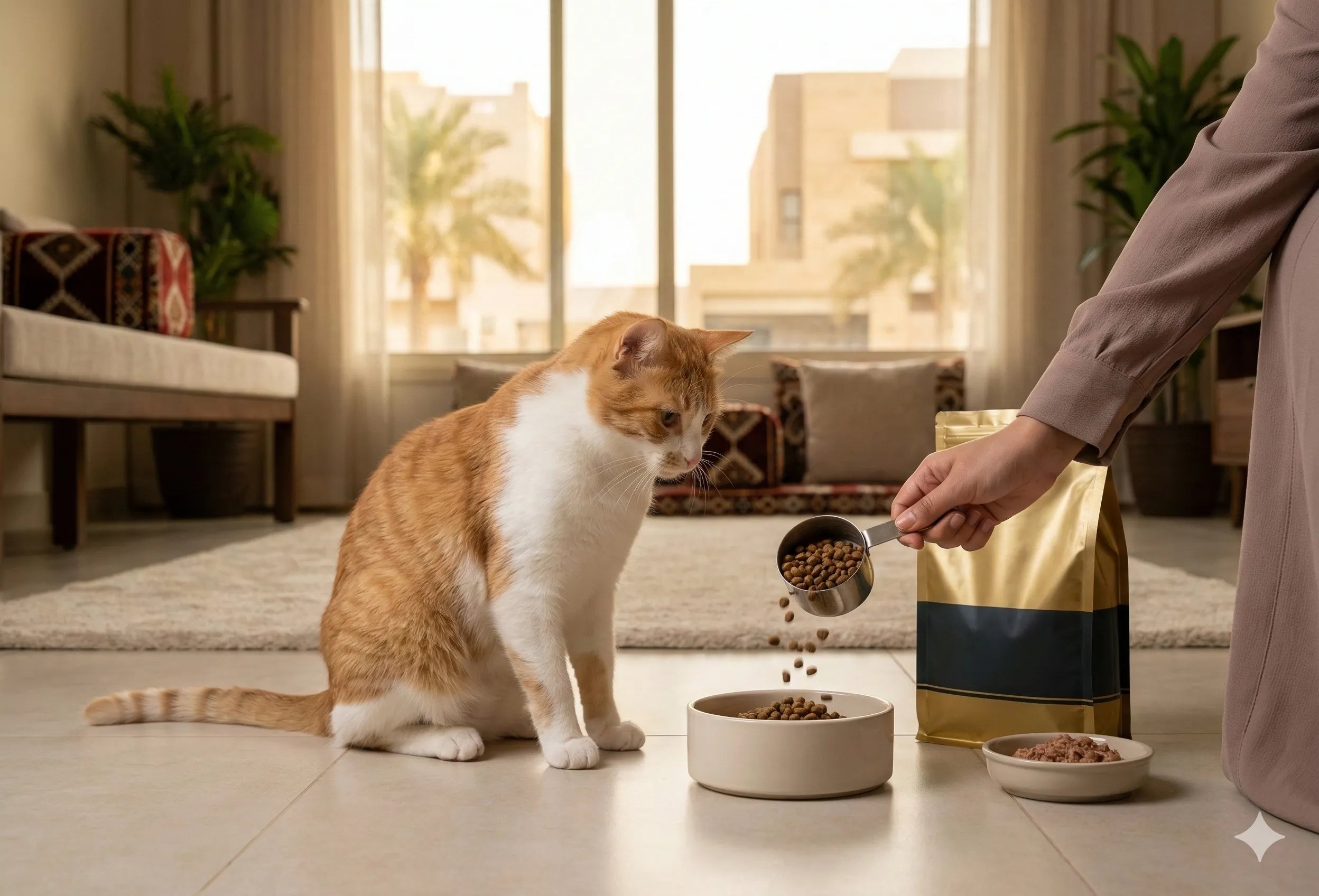
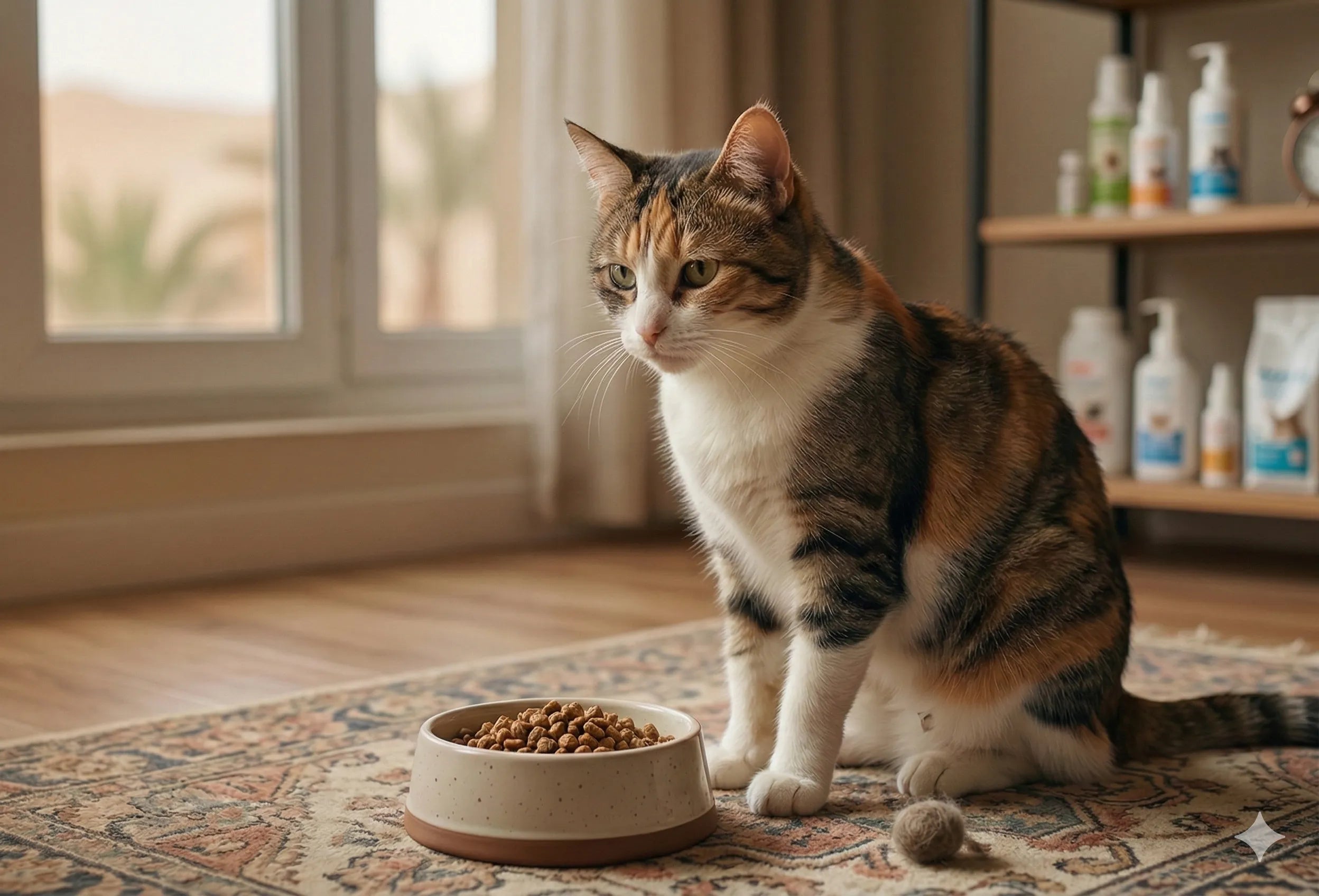
Signs Your Cat Food Is Not Suitable
“Is this food actually right for my cat?”
Many cat owners in Saudi Arabia assume that if their cat is eating, the food must be fine.
But eating alone does not mean the food is suitable.
Cats often show subtle signs when a formula does not match their needs.
Why Food Suitability Matters for Indoor Cats
Indoor cats in Saudi homes:
-
Move less
-
Live in air-conditioned spaces
-
Experience seasonal appetite changes
-
Are commonly sterilized
Because of this, nutritional balance matters more than brand popularity.
Even high-quality food may not be ideal for every cat.
1) Gradual Weight Gain
If your cat:
-
Feels heavier over time
-
Has a disappearing waistline
-
Develops a rounded lower belly
The calorie density may be too high for their activity level.
Indoor or weight-control formulas are often better suited.
You can explore indoor options here:
https://sadeeqy.com/collections/cats-food-treats
2) Digestive Upset
Watch for:
-
Frequent vomiting
-
Soft stool
-
Strong litter odor
-
Gas
This may indicate:
-
Ingredient sensitivity
-
Protein mismatch
-
Sudden formula change
In some cases, limited-ingredient or sensitive formulas may help.
Dry food options:
https://sadeeqy.com/collections/cats-dry-food
Wet food options:
https://sadeeqy.com/collections/cats-wet-food
3) Dull Coat or Excessive Shedding
A healthy coat should look smooth and feel soft.
If you notice:
-
Dry fur
-
Excess shedding
-
Lack of shine
The formula may lack sufficient omega fatty acids or protein quality.
Nutrition directly affects coat health.
4) Low Energy Levels
Indoor cats are naturally calmer.
However, if your cat:
-
Sleeps excessively beyond normal
-
Avoids play
-
Appears lethargic
It may be linked to calorie imbalance or poor nutrient absorption.
Always rule out medical causes with a veterinarian if behavior changes are sudden.
5) Constant Hunger or Begging
If your cat finishes meals quickly and constantly asks for more:
-
The formula may be low in satiety
-
Fiber levels may be insufficient
-
Protein quality may be too low
Higher-protein indoor formulas can sometimes improve satiety.
6) Refusal to Eat
If a cat suddenly refuses food:
-
Check for formula changes
-
Check for heat-related appetite shifts
-
Ensure food is stored properly
In Saudi summers, dry food can lose freshness faster if not sealed properly.
Proper storage matters.
When to Change Your Cat’s Food
Consider adjusting food if:
-
Weight changes noticeably
-
Digestive issues persist
-
Coat condition declines
-
Appetite behavior changes consistently
Always transition gradually over 7–10 days to prevent stomach upset.
Simple Suitability Checklist
Ask yourself:
-
Is my cat maintaining a stable weight?
-
Is digestion consistent?
-
Is coat healthy and shiny?
-
Is energy appropriate for age?
If the answer is no to multiple questions, the formula may not be ideal.
Final Reassurance
Not every food works for every cat.
The goal is not perfection.
The goal is stability.
When digestion, weight, coat, and energy are balanced, the food is likely suitable.