What Are the Essential Supplies for a New Kitten? (Saudi Checklist)
Bringing a new kitten home is exciting—but it can also feel overwhelming. Most new cat owners worry about the same thing:
“Am I missing something important?”
In Saudi Arabia, kittens are usually kept indoors, live in air-conditioned homes, and are exposed to dust and heat in ways many guides don’t talk about. This checklist focuses only on what truly matters on day one—so you don’t overbuy or stress.
Food & Feeding Essentials
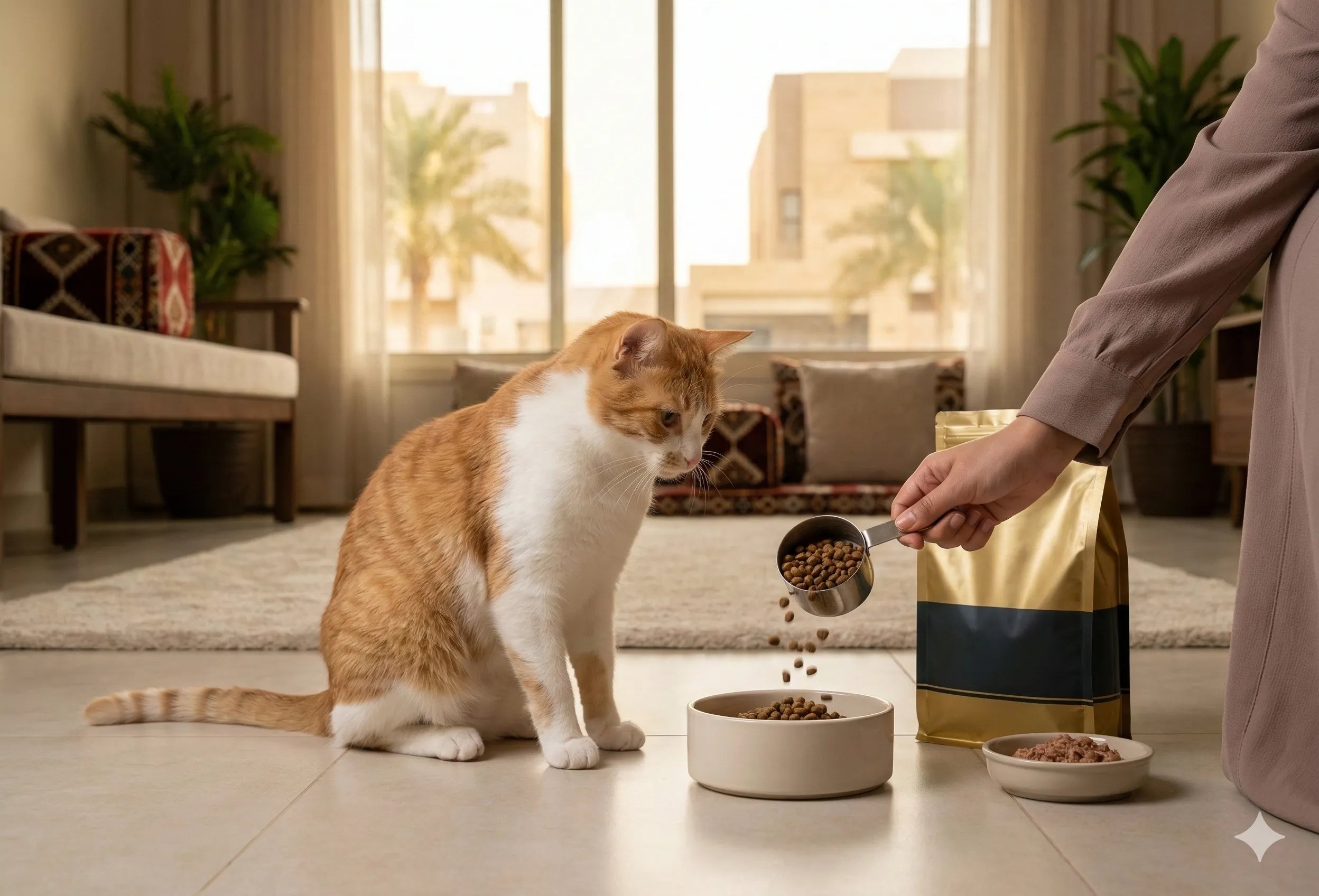
Kitten-Specific Food (Not Adult Food)
Kittens grow fast and need higher protein, calories, and nutrients than adult cats. Always choose food clearly labeled “for kittens” or “all life stages.”
-
Dry food helps with chewing habits
-
Wet food supports hydration (especially important in hot climates)
You don’t need premium everything on day one—just food that’s age-appropriate and from a reputable brand.
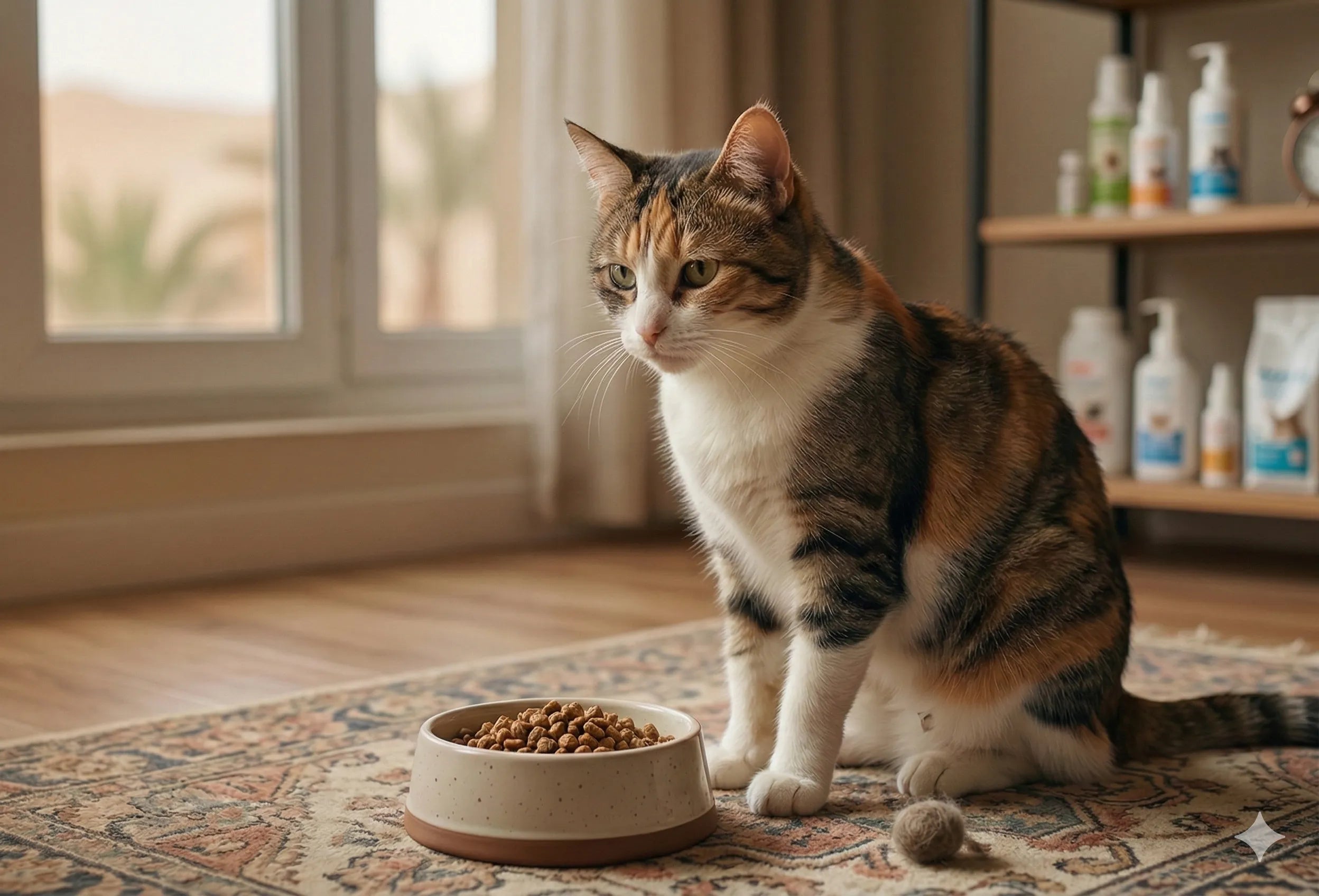
Food & Water Bowls
Simple is best:
-
Stainless steel or ceramic (easier to clean in warm weather)
-
Shallow bowls to avoid whisker stress
-
One bowl for food, one for water
Avoid plastic if possible—it can trap odors and bacteria.
Litter Box & Hygiene Basics
Litter Box Size
Even for a small kitten, choose a box that allows room to move and turn. A box that’s too small often leads to accidents later.
-
Low entry for easy access
-
No lid at first (kittens prefer visibility)
Cat Litter
Start with a soft, unscented litter. Strong perfumes can discourage kittens from using the box.
In Saudi apartments, odor control matters—but it should never come at the cost of comfort.
Scoop & Placement
-
Scoop once daily
-
Place the box in a quiet, low-traffic area
-
Keep it far from food and water bowls
Comfort & Sleeping Area
Even in warm climates, kittens seek cozy, secure spaces.
What Works Best
-
A soft bed or folded blanket
-
A quiet corner away from loud noises
-
Familiar scents (a cloth rubbed on the kitten helps)
Don’t worry if your kitten changes sleeping spots—that’s normal.
Grooming & Basic Care
Brush
A gentle brush helps:
-
Reduce loose hair
-
Get kittens comfortable with handling early
-
Minimize hair buildup in indoor homes
Once or twice a week is enough at first.
Nail Clippers
You don’t need to clip nails immediately—but having proper pet clippers early helps avoid scratches later.
Important: What NOT to Use
-
No human shampoo
-
No flea treatments unless age-approved
-
No essential oils or strong cleaners near the kitten
This section builds trust for a reason—many kitten issues come from well-meaning mistakes.
Play, Enrichment & Safety
Toys (Keep It Simple)
Play is not optional—it helps prevent biting, scratching, and anxiety.
Safe starter toys:
-
Soft balls
-
Wand toys (supervised)
-
Small plush toys (no loose strings)
Rotate toys instead of buying many.
Scratching Post
Introduce a scratching surface early. This teaches healthy behavior and protects furniture later.
Even a small cardboard scratcher is enough to start.
What You Don’t Need on Day One
Many first-time owners overbuy. You can safely delay:
-
Treats
-
Supplements
-
Automatic feeders
-
Fancy accessories
Focus on comfort, food, hygiene, and safety first.
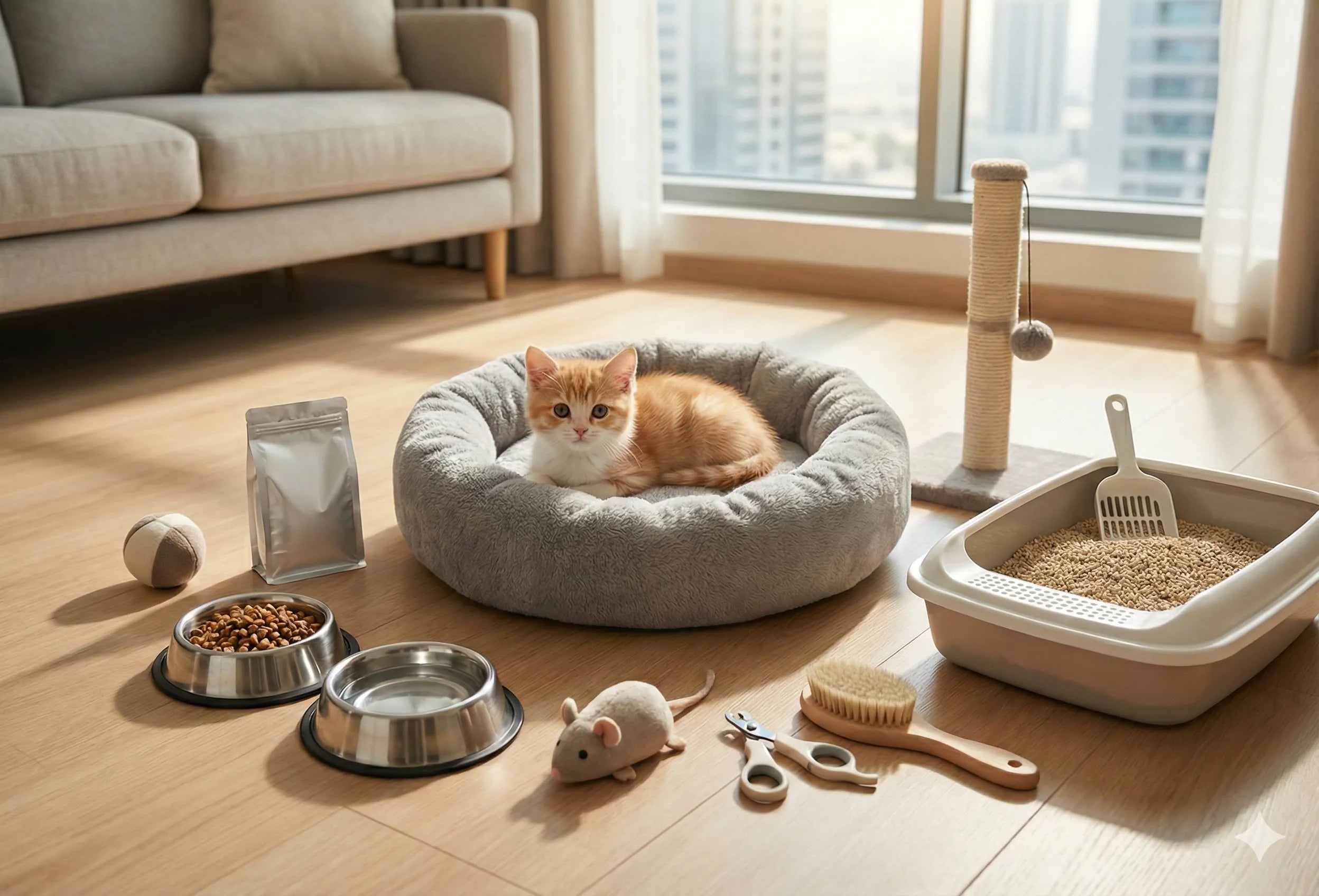
Final New Kitten Checklist (Quick Summary)
✔ Kitten food (age-appropriate)
✔ Food & water bowls
✔ Litter box + litter + scoop
✔ Soft bed or blanket
✔ Gentle brush
✔ Nail clippers
✔ A few safe toys
✔ Scratching surface
That’s it. Nothing more is required to give your kitten a safe, calm start.
One Last Reassurance
If you’re asking these questions, you’re already doing a great job. Kittens don’t need perfection—they need consistency, patience, and care.
You can always build from here.